




Disordered Eating & Emotional Eating Therapy
Support for Emotional Eating, Disordered Eating & Your Relationship with Food
If you are reaching into food to comfort or console, when you are sad or angry, lonely or tired. This is the support you need. It allows you to tap into your feelings through Mind Body connection work. This therapy works mainly from an emotional framework and the benefits are massive.
Our cells react by shrinking and expanding by our thoughts and feelings. We will look at the triggers and then the action! Become aware of body and brain connection and how to check in with self authentically.
Calming the mind and the body will reap the benefits and allow you to embrace who you truly are.

What to Expect
Expectation can vary. You can meet yourself in your emotions with more exposure over TIME! Learn to experience more tolerance of distress without behavioural consequences.
Become more overt in communication skills. And experience less covert behaviour!
Benefits
Meet Our Therapist
"Ursula helped me to explore boundaries that I have with people specifically in terms of doing things that I want to do and where I am going with my life rather than relying on what others tell me I should or should not do.
This has helped me considerably to start living in the “present “and panic less about the future.
The therapy also shed light on why I am angry and with whom. Now I am aware and at least whilst I have still have some anger I continue to work on it and accept things that are not within my control. I feel stronger too and I have also learned not to take other people’s opinion on board. Working with Ursula has been a very positive experience."
Glenda
"I started my sessions with Ursula about 18 months ago and previously I had been with another person with whom I didn’t find any benefit. Starting with Ursula has been the best choice I could do in my life.
I am very happy with the improvements I have and continue to have in my social and private relationships, I feel more confident in myself and stronger. I changed my attitude and the people around me have changed as well. Now I can easily manage situations that before made me down and depressed.
Ursula is a very good therapist, with her professionalism and smile she is able to give you the right words to encourage a good mood and very positive energy."
Maria P.
How to Book an Appointment
Booking an appointment at The Dublin Wellbeing Centre is simple. Once you have chosen the therapist or therapy that feels right for you, just click the BOOK NOW button on that page or CLICK HERE. If you have any questions before booking, you are also welcome to get in touch and we will be happy to help.
How Do I See Availability?
You can view availability when booking online through the therapist’s booking page or on our PHOREST BOOKING PLATFORM. Available appointment times will be shown clearly, making it easy to choose a date and time that suits you. If you cannot find a suitable slot, therapist or therapy, please feel free to contact us and we will be in touch. (link to contact us page)
How to Book a Course
You can book upcoming courses on our online booking platform HERE. If course dates don't suit you sign up for the Courses Waitlist HERE to be notified when new course dates become available.
How to Get to the Centre
The Dublin Wellbeing Centre is conveniently located in Dublin 2, making it easy to reach by public transport, car or on foot. Full address details and directions can be found on our contact page. If you are travelling in for your appointment and need help finding us, please get in touch and we will be happy to assist
Frequently Asked Questions about Disordered Eating Support Therapy and Emotional Eating
What is disordered eating support therapy?
It is a therapy designed to support people who use food for comfort or emotional coping, helping them explore feelings, triggers and mind-body connection.
Can therapy help with emotional eating?
Yes. This therapy is specifically aimed at emotional eating patterns and the feelings driving them.
How does mind-body work support eating issues?
It helps clients become more aware of the connection between feelings, body responses, thoughts and eating behaviour.
What happens in a disordered eating support session?
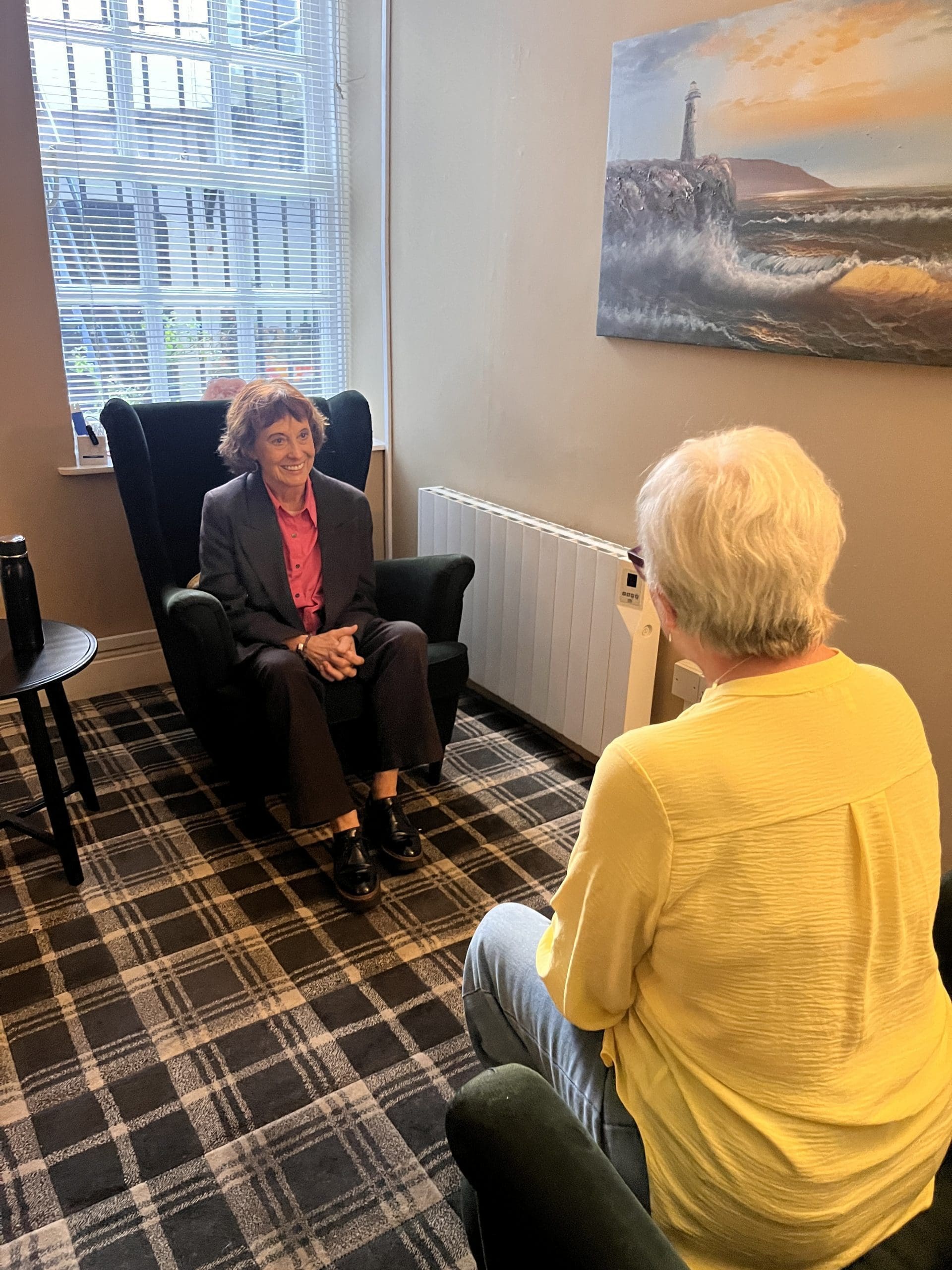
The work may involve looking at triggers, behaviours, family dynamics and emotional regulation, while building greater tolerance for distress and more authentic communication.
Can therapy help identify triggers around food?
Yes. Identifying triggers is one of the stated benefits of the work.